Hotel and Hospitality Excellence in 2026
The hotel and hospitality industry continues to evolve at a remarkable pace, driven by changing guest expectations, technological innovation, and an increased focus on sustainability. Property owners and managers face the challenge of balancing exceptional guest experiences with operational efficiency, all while maintaining profitability in an increasingly competitive market. Understanding the core elements that define modern hospitality excellence has never been more critical for businesses seeking to differentiate themselves and build lasting guest loyalty.
The Foundation of Guest Experience
Every successful hotel and hospitality operation begins with a commitment to delivering memorable guest experiences. This foundation rests on multiple pillars, each contributing to the overall impression guests form during their stay.
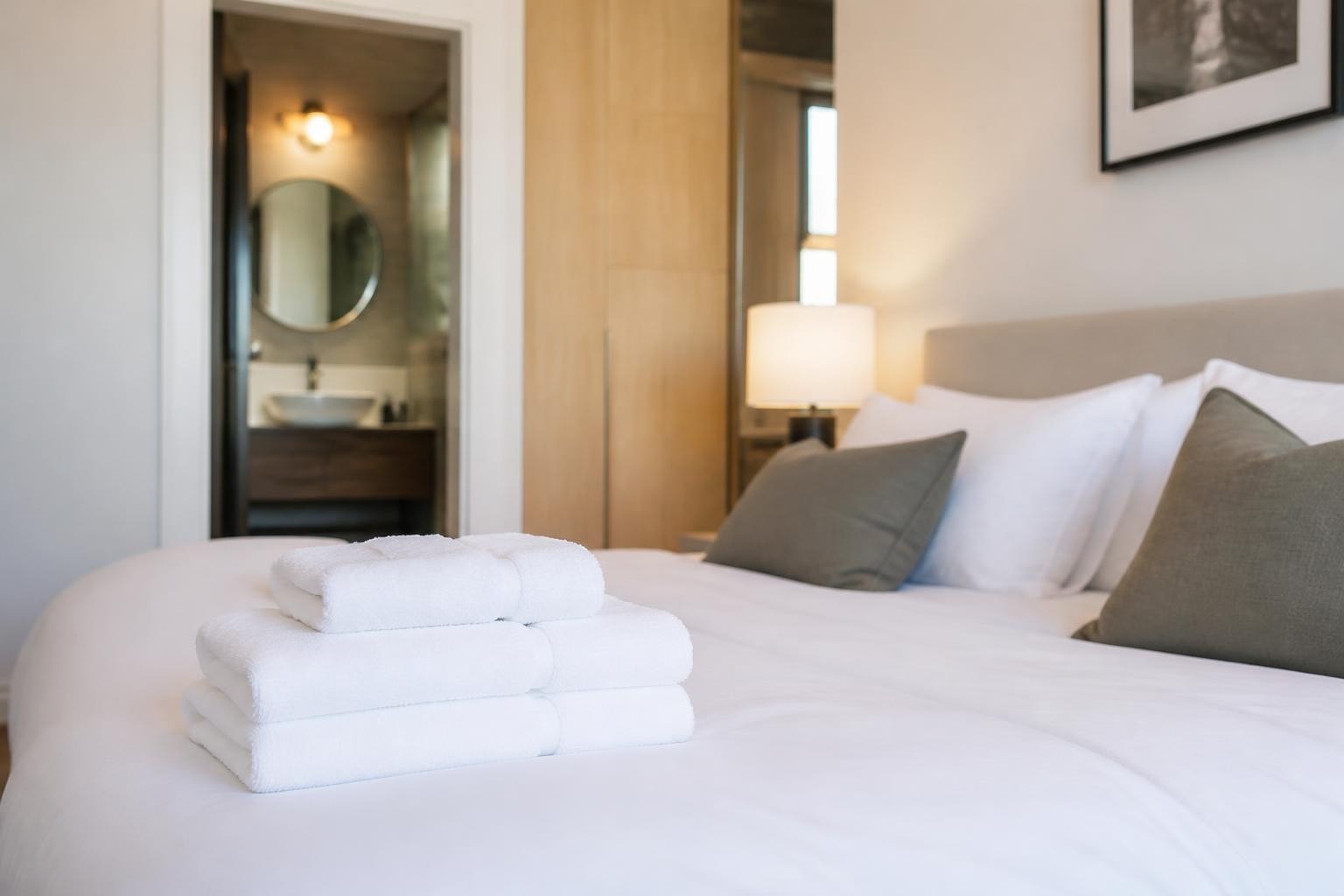
Quality linens and bedding represent one of the most tangible touchpoints in the guest journey. The moment a guest enters their room and sees crisp, well-presented bedding, an expectation is set. When they slide between the sheets at night, that expectation is either met or shattered. Properties investing in hospitality-grade linen solutions recognize that this seemingly small detail carries outsized weight in guest satisfaction scores.
Critical Elements of Room Preparation
The hotel and hospitality sector has long understood that consistency separates exceptional properties from mediocre ones. Every room must meet the same exacting standards, whether it's the first room prepared in the morning or the last one turned before evening arrivals.
Proper linen rotation systems ensure even wear across inventory
Quality control checkpoints catch issues before guests arrive
Staff training protocols maintain standards across all team members
Replacement schedules prevent deterioration from affecting guest comfort
Research from the American Hotel & Lodging Association demonstrates that operational consistency directly correlates with higher RevPAR (revenue per available room) and improved guest satisfaction metrics. Properties that systematize their housekeeping operations see measurable improvements across all performance indicators.
Operational Efficiency and Cost Management
Modern hotel and hospitality businesses operate on increasingly tight margins. Energy costs, labor expenses, and supply chain pressures continue to challenge profitability. Smart operators focus on areas where efficiency gains deliver immediate financial impact without compromising guest experience.
Inventory management represents one such opportunity. Properties maintaining excessive linen reserves tie up capital unnecessarily, while those running too lean face operational disruptions when demand spikes or laundry schedules fall behind.
Inventory Level | Typical Par Stock | Advantages | Disadvantages |
Minimal (2 par) | 2 sets per room | Lower capital investment | High laundry pressure, risk of shortages |
Standard (3 par) | 3 sets per room | Balanced operations | Moderate capital requirement |
Extended (4 par) | 4 sets per room | Maximum flexibility | Higher investment, storage needs |
The ENERGY STAR guidelines for hotels provide practical frameworks for reducing utility costs without affecting guest comfort. Laundry operations typically account for 15-18% of a property's total water consumption and represent significant energy usage. Optimizing wash cycles, water temperatures, and dryer efficiency can reduce costs by 20-30% annually.
Strategic Procurement Approaches
Successful hotel and hospitality operators treat linen procurement as a strategic function rather than a transactional purchasing activity. The cheapest option rarely delivers the best total cost of ownership when factoring in durability, replacement frequency, and guest satisfaction impact.
Key procurement considerations include:
Thread count and fabric construction affecting durability
Colorfastness ensuring consistent appearance after repeated washing
Shrinkage rates maintaining proper fit throughout product lifecycle
Supplier reliability guaranteeing consistent quality and availability
Total cost of ownership calculating true per-use costs
Properties looking to establish new facilities or expand existing operations benefit from comprehensive packages that ensure all rooms maintain consistent standards from day one. Our 5-Room Guest House Setup Package provides everything needed to launch a new property with professional-grade linens designed for the demands of daily hospitality use, including proper par levels for seamless operations during laundry cycles and peak occupancy periods.
Hygiene Standards and Guest Safety
The hotel and hospitality industry has always maintained high cleanliness standards, but recent years have elevated hygiene from an operational requirement to a competitive differentiator. Guests now scrutinize cleaning protocols and expect transparency about sanitation practices.
Professional-grade linens play a crucial role in maintaining these standards. Fabrics must withstand the high-temperature washing and commercial-grade detergents required to meet hospitality sanitation protocols. The WHO infection prevention guidelines specify minimum standards for textile processing in hospitality settings, emphasizing proper washing temperatures and handling procedures.
Implementing Robust Cleaning Protocols
Modern hotel and hospitality operations implement multi-layered approaches to textile hygiene:
Color-coded sorting systems prevent cross-contamination
Temperature-monitored wash cycles ensure pathogen elimination
Separate storage areas for clean and soiled linens
Regular equipment maintenance maintains washing efficiency
Staff training programs reinforce proper handling procedures
Properties that document and communicate their hygiene protocols benefit from enhanced guest confidence. Transparency about cleaning standards has become a valuable marketing tool, particularly for properties targeting health-conscious travelers or corporate clients with specific cleanliness requirements.
Enhancing Revenue Through Quality
The connection between linen quality and revenue generation might not seem immediately obvious, but savvy hotel and hospitality professionals recognize the relationship. Properties investing in premium bedding and towels see measurable returns through multiple channels.
Direct revenue impacts include higher average daily rates justified by superior comfort, improved online review scores driving booking conversion, and reduced guest complaints lowering compensation costs. Indirect benefits encompass enhanced brand reputation, increased repeat bookings, and stronger word-of-mouth referrals.
Revenue management best practices demonstrate that guest satisfaction scores directly influence pricing power. Properties can command premium rates when they consistently deliver superior experiences across all touchpoints, including room comfort and linen quality.
The Guest Review Economy
In 2026's digitally connected marketplace, every guest is a potential reviewer. Online platforms amplify individual experiences, making reputation management essential for sustained success in hotel and hospitality operations.
Review Platform | Weight in Booking Decisions | Primary Guest Concerns |
TripAdvisor | 67% of travelers consult | Cleanliness, comfort, value |
Google Reviews | 81% read before booking | Recent experiences, authenticity |
Booking.com | 73% influenced by scores | Specific amenity quality |
Direct social media | 54% check brand channels | Visual presentation, responsiveness |
Linen quality appears frequently in guest reviews, both positive and negative. Complaints about scratchy towels, worn sheets, or stained bedding can damage a property's reputation far beyond the individual guest's stay. Conversely, comments praising luxurious bedding and spa-quality towels enhance perceived value and justify premium pricing.
Sustainability and Environmental Responsibility
Modern hotel and hospitality businesses face growing pressure to demonstrate environmental stewardship. Guests increasingly consider sustainability practices when choosing accommodations, particularly among younger demographics and corporate travelers subject to ESG (Environmental, Social, Governance) policies.
Textile selection plays a significant role in a property's environmental footprint. Durable, long-lasting linens reduce replacement frequency and associated waste. Quality fabrics maintain their integrity through hundreds of wash cycles, significantly reducing the volume of textiles entering landfills.
Sustainable linen management strategies include:
Selecting fabrics with extended lifecycle durability
Implementing guest towel reuse programs
Optimizing wash temperatures for energy efficiency
Partnering with suppliers committed to sustainable manufacturing
Tracking and reporting textile waste reduction metrics
Properties can explore comprehensive hospitality linen solutions that balance durability with environmental responsibility, ensuring long-term performance while supporting sustainability goals.
Staff Training and Operational Excellence
The finest linens cannot compensate for poor execution. Hotel and hospitality success requires well-trained staff who understand proper handling, presentation, and quality control procedures. Investment in human capital delivers returns through improved efficiency and enhanced guest experiences.
Building Effective Training Programs
Comprehensive staff development programs address multiple competencies:
Proper bed-making techniques ensuring consistent presentation
Linen inspection procedures catching defects before use
Stain treatment protocols extending textile lifespan
Inventory management systems preventing stockouts
Guest interaction standards handling requests professionally
Regular refresher training maintains standards as staff turnover occurs, a persistent challenge in hotel and hospitality operations. Properties with documented procedures and visual guides reduce training time for new employees while maintaining quality consistency.
Technology Integration in Linen Management
Digital tools are transforming hotel and hospitality operations, including traditionally manual processes like linen inventory and management. Property management systems now integrate with inventory tracking, automated reordering, and predictive maintenance scheduling.
Technology applications in textile management include RFID-tagged linens for automated tracking, inventory management software preventing stockouts, predictive analytics optimizing replacement cycles, and quality control systems documenting inspection results.
These systems provide data-driven insights that improve decision-making. Properties can identify which linen types experience the highest wear rates, optimize inventory levels based on seasonal demand patterns, and schedule replacements before quality degradation affects guest satisfaction.
Building Supplier Partnerships
Long-term success in hotel and hospitality requires reliable supplier relationships. Partnerships with quality linen providers deliver benefits beyond simple product transactions, including consistent quality assurance, flexible inventory solutions, industry expertise and consultation, and responsive customer service.
When evaluating potential partners, successful properties consider product quality and durability, delivery reliability and flexibility, industry experience and understanding, and comprehensive product ranges meeting diverse needs. The linen supply process should be transparent, efficient, and designed to support seamless property operations.
Market Differentiation Strategies
Competitive hotel and hospitality markets demand clear differentiation. While location and pricing remain important factors, guest experience elements increasingly drive booking decisions. Premium linens contribute to a luxury positioning that justifies higher rates and attracts quality-conscious guests.
Properties can leverage linen quality in marketing communications, highlighting thread counts, fabric types, and luxury features. Visual content showcasing well-appointed rooms with crisp, inviting bedding appeals to guests prioritizing comfort. These details communicate attention to quality before guests even arrive.
Creating Memorable Touchpoints
The hotel and hospitality experience consists of numerous touchpoints, each contributing to overall satisfaction. Strategic operators identify opportunities to exceed expectations at critical moments:
Check-in: First impressions set experience expectations
Room entry: Visual presentation creates immediate impact
Bedtime comfort: Quality bedding delivers on promises
Morning refresh: Plush towels enhance bathroom experience
Check-out: Lasting impressions influence future decisions
By consistently delivering superior experiences across these touchpoints, properties build reputations that generate organic marketing through guest advocacy and positive reviews.
Excellence in hotel and hospitality operations requires attention to countless details, with quality linens playing a fundamental role in guest satisfaction and operational efficiency. Properties that invest strategically in premium textiles, implement robust management systems, and partner with reliable suppliers position themselves for sustained success in competitive markets. Noble Signature Group provides the hospitality-grade linens, expert guidance, and comprehensive solutions South African hotels and guest houses need to elevate their guest experience while optimizing operational performance. Explore our range of premium products designed specifically for the demands of professional hospitality environments.


Comments